Get Gas Line Capping
Gas line capping services involve local contractors safely disconnecting or sealing gas lines during property renovations, repairs, or safety upgrades to prevent leaks and hazards.
Property owners considering gas line modifications or upgrades often explore capping services to ensure safety and compliance. Properly sealed gas lines can prevent leaks, reduce potential hazards, and help meet local building codes. Whether planning a renovation, preparing a property for sale, or addressing outdated infrastructure, understanding the options available from nearby contractors can make the process smoother and more reliable.
Finding experienced service providers in the area who specialize in gas line capping can provide peace of mind during planning and implementation. Comparing local contractors allows property owners to evaluate the solutions that best suit their specific needs, ensuring the work is handled professionally and efficiently. Keep reading to discover how trusted local experts can assist with safe and effective gas line capping services.
- Gas line capping for safety or repairs - homeowners may need this service when a gas line is no longer in use or poses a safety concern.
- Gas line termination for property upgrades - property owners require gas line capping when installing new appliances or renovating spaces.
- Abandoning unused gas lines - property managers might seek this work to safely deactivate outdated or unused gas infrastructure.
- Emergency gas line sealing - in urgent situations, local contractors can quickly secure compromised or leaking gas lines.
- Gas line removal for demolition projects - during building demolitions, professionals can safely cap and remove existing gas lines.
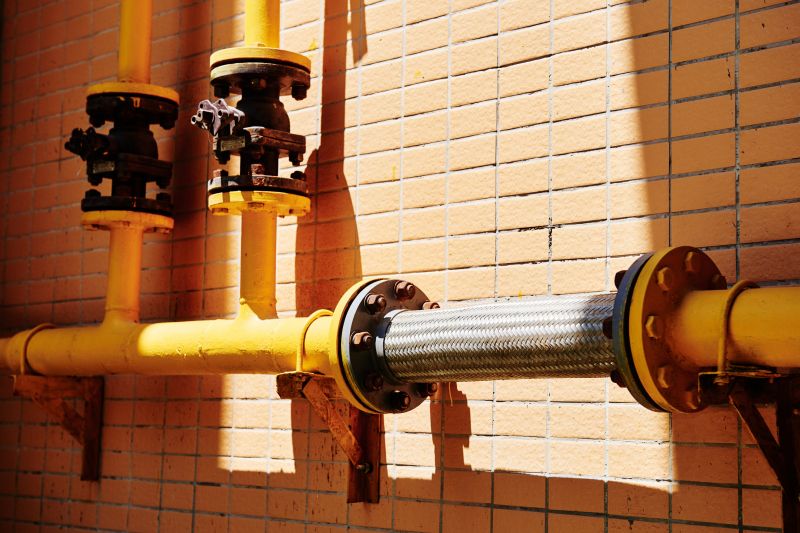
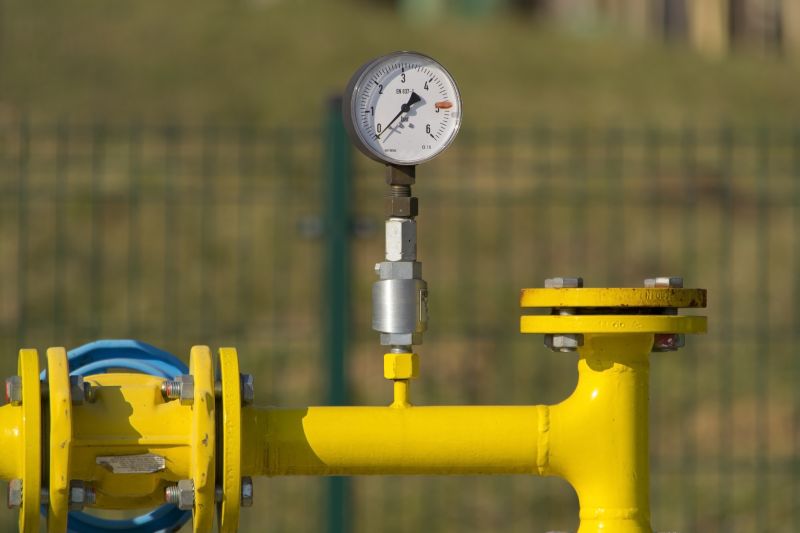
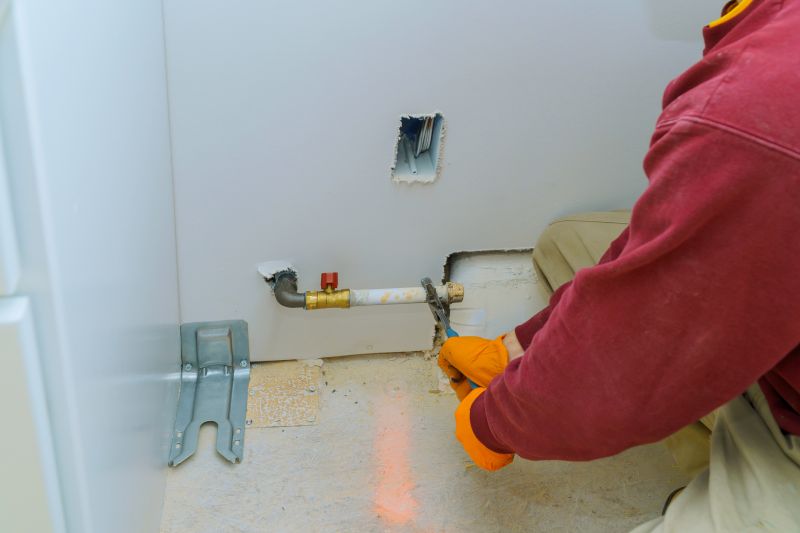
Gas line capping services involve safely sealing off an existing gas line at its termination point, typically when the line is no longer in use or when a property is being renovated or prepared for sale. This process ensures that the gas supply is securely shut off to prevent leaks or accidental releases. Skilled contractors will carefully disconnect and cap the line, using appropriate materials and techniques to create a tight, long-lasting seal. This service is essential for maintaining safety standards and complying with local regulations when gas lines are being decommissioned or altered.
Many property owners turn to gas line capping to address common problems such as outdated or unused gas connections, gas leaks, or the need to eliminate a potential hazard during renovations. In cases where gas appliances are removed or replaced, capping the line prevents accidental gas flow and reduces the risk of leaks. It is also a practical solution for properties that are vacant or undergoing major repairs, where unused gas lines could pose safety concerns if left open or improperly sealed.
This service is frequently used in residential properties, including single-family homes and multi-unit buildings, especially during remodeling projects or when upgrading appliances. Commercial properties, such as restaurants or industrial facilities, may also require gas line capping when equipment is being replaced or when certain sections of the gas system are being decommissioned. Property owners considering renovations, or those needing to address gas line issues, can benefit from the expertise of local contractors experienced in safely handling these tasks.
Property owners should consider gas line capping services when planning major upgrades, decommissioning old appliances, or addressing potential gas leaks. Properly capped gas lines help prevent dangerous leaks and ensure compliance with safety standards. When in doubt about the safety or status of a gas line, contacting local service providers for a thorough assessment and professional capping can provide peace of mind. These experienced contractors can evaluate the property’s gas system and perform the necessary work to ensure safety and compliance.
The overview below groups typical Gas Line Capping projects into broad ranges so you can see how smaller, mid-sized, and larger jobs often compare in your area.
In many markets, a large share of routine jobs stays in the lower and middle ranges, while only a smaller percentage of projects moves into the highest bands when the work is more complex or site conditions are harder than average.
Smaller Repairs - Typical costs for routine gas line capping jobs generally range from $250 to $600. Many common repairs fall within this middle band, making it a cost-effective solution for minor work.
Moderate Projects - Larger, more involved capping services can range from $600 to $1,500, depending on the complexity and location. Fewer projects reach into this higher range, but they are common for more extensive work.
Full Line Capping - Complete removal and capping of an entire gas line may cost between $1,500 and $3,500. These larger projects are less frequent but necessary for significant upgrades or decommissioning.
Larger, Complex Jobs - In rare cases involving extensive work or difficult access, costs can exceed $5,000. Local contractors can provide specific estimates based on the scope of each project.
Actual totals will depend on details like access to the work area, the scope of the project, and the materials selected, so use these as general starting points rather than exact figures.
Gas Line Removal Projects - These projects involve safely disconnecting and removing old or unused gas lines, requiring similar skills in pipe handling and safety planning as gas line capping services.
Gas Line Repair Services - Repairing damaged or leaking gas lines shares techniques in pipe assessment, sealing, and ensuring proper connections, making these services related to gas line capping.
Underground Utility Capping - Capping other underground utilities like water or sewer lines involves similar excavation, pipe isolation, and sealing methods used in gas line capping projects.
Pipeline Decommissioning - Decommissioning pipelines requires careful planning, excavation, and sealing techniques comparable to those used in gas line capping to ensure safety and compliance.
Plumbing Cap Installation - Installing caps on plumbing lines in residential or commercial buildings involves skills in pipe fitting and sealing, similar to gas line capping procedures.
Construction Site Utility Disconnections - Disconnecting and capping utilities during construction projects requires coordination, planning, and pipe sealing skills akin to gas line capping services.
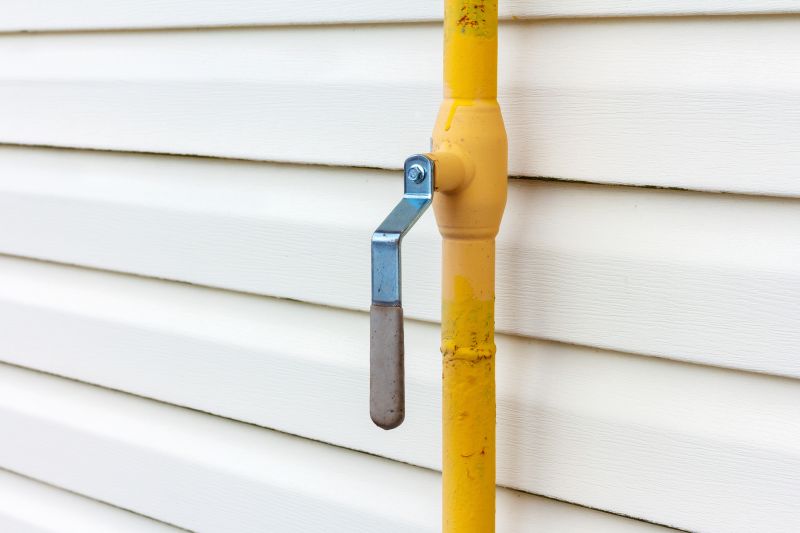
When comparing service providers for gas line capping, it's important to consider their experience with similar projects. Homeowners should look for local contractors who have a proven track record of handling gas line modifications or capping jobs comparable in scope and complexity. An experienced professional is more likely to understand the specific requirements and safety considerations involved, helping to ensure the work is completed correctly and efficiently.
Clear written expectations are essential for a smooth project. Homeowners should seek out service providers who can provide detailed descriptions of their services, including the steps involved, the materials used, and any preparations needed before work begins. Having these expectations documented helps prevent misunderstandings and ensures everyone is aligned on what the project entails, contributing to a more transparent and satisfactory experience.
Reputable references and good communication are key indicators of a reliable local contractor. Homeowners are encouraged to ask for references or reviews from previous clients to gauge the quality of the work and professionalism. Additionally, choosing providers who communicate clearly and promptly can make the process easier, providing peace of mind that questions will be answered and updates shared throughout the project. Remember, this site introduces homeowners to local options capable of handling the job-it's not a provider of the work itself.
Property owners use Gas Line Capping services for practical projects around their homes and businesses. This guide focuses on everyday jobs and straightforward project options.
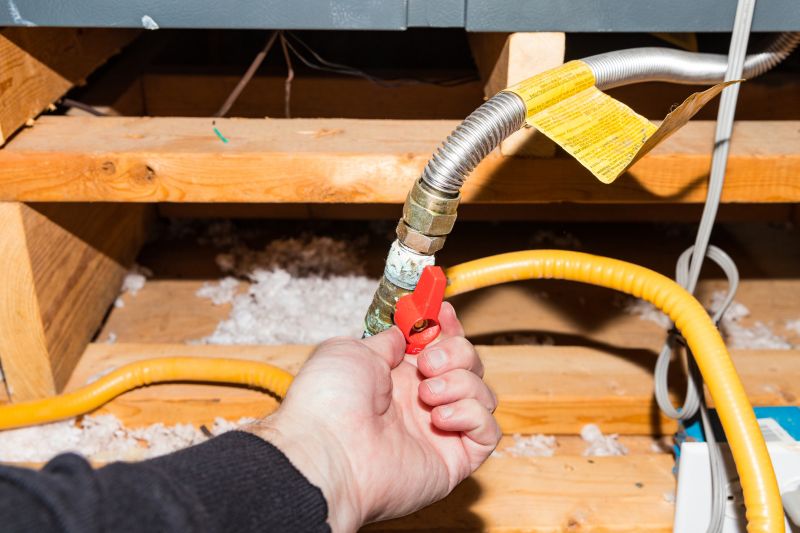
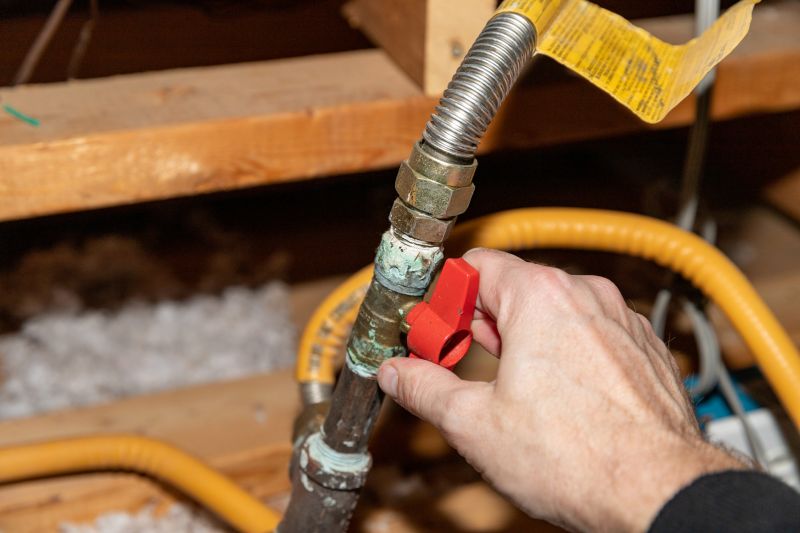
Gas line capping services are commonly needed when property owners are making changes to their homes or preparing for new construction projects. Whether installing a new appliance, renovating a kitchen, or planning a property sale, temporarily or permanently sealing off unused gas lines can be an important step. Local contractors can handle these tasks efficiently, helping property owners ensure that gas lines are safely capped to prevent leaks or accidents during ongoing work or when the lines are no longer in use.
In addition, property owners might seek gas line capping services to address issues such as outdated or damaged piping, or to comply with local regulations when removing or remodeling structures. These services are also useful in situations where gas lines are no longer needed but remain connected, posing potential safety concerns. Local service providers are available to assess the situation and perform the necessary capping work to ensure the property remains safe and compliant.
What is gas line capping? Gas line capping involves sealing off an unused or damaged gas line to prevent leaks and ensure safety.
Why might someone need a gas line cap? A gas line cap is typically used when a gas line is no longer in use, being repaired, or as a safety measure during renovations.
Are gas line capping services safe? When performed by qualified local contractors, gas line capping is a safe process that helps prevent gas leaks and potential hazards.
How do local service providers handle gas line capping? They assess the existing gas line, select the appropriate cap, and securely install it to ensure a proper seal.
Can gas line capping be reversed later? Yes, a capped gas line can usually be uncapped or reconnected if needed, by a professional contractor.
Property Renovation Projects - When upgrading or remodeling a property, gas line capping ensures unused lines are safely sealed during construction or renovation.
Emergency Line Closure - In case of a gas leak or suspected issue, property owners can have local contractors quickly secure the gas line to prevent hazards.
Utility Line Abandonment - For properties no longer using certain gas appliances, capping the lines is a practical step before removing or repurposing the space.
New Installations Preparation - Before installing new appliances or systems, property owners can have gas lines properly capped to ensure safety during the transition.
If you are thinking about Gas Line Capping for a property, this guide is meant to help you understand the work, the typical project types, and how different options might fit your plans.
When you are ready, you can use the quote form on this page to share a few details about your project. From there, local pros can review the basics and respond with options that match what you have in mind.